
Introduction
In the world of interior design, every choice contributes to the harmony of a home. From carefully selected furniture to thoughtfully layered lighting, designers seek solutions that balance aesthetics with functionality. One element that has become a favorite among design professionals is window film. More than a subtle accent, it is a sophisticated addition that protects interiors, enhances comfort, and elevates architectural style.
Where Elegance Meets Functionality
Window films have redefined how designers approach glass. Once limited to heavy curtains, blinds, or shades, homeowners can now enjoy light-filled interiors without sacrificing style. Films maintain the openness of glass while providing a tailored look that suits a wide range of design themes.
- Minimalist spaces benefit from clear or lightly tinted films, preserving a clean and airy ambiance.
- Luxury residences are enhanced by frosted or reflective films, which add depth and sophistication.
- Modern urban homes embrace darker tints for a sleek, contemporary aesthetic.
For designers, this versatility means they can recommend solutions that align perfectly with their client’s vision.
Protecting Interiors with Subtle Innovation
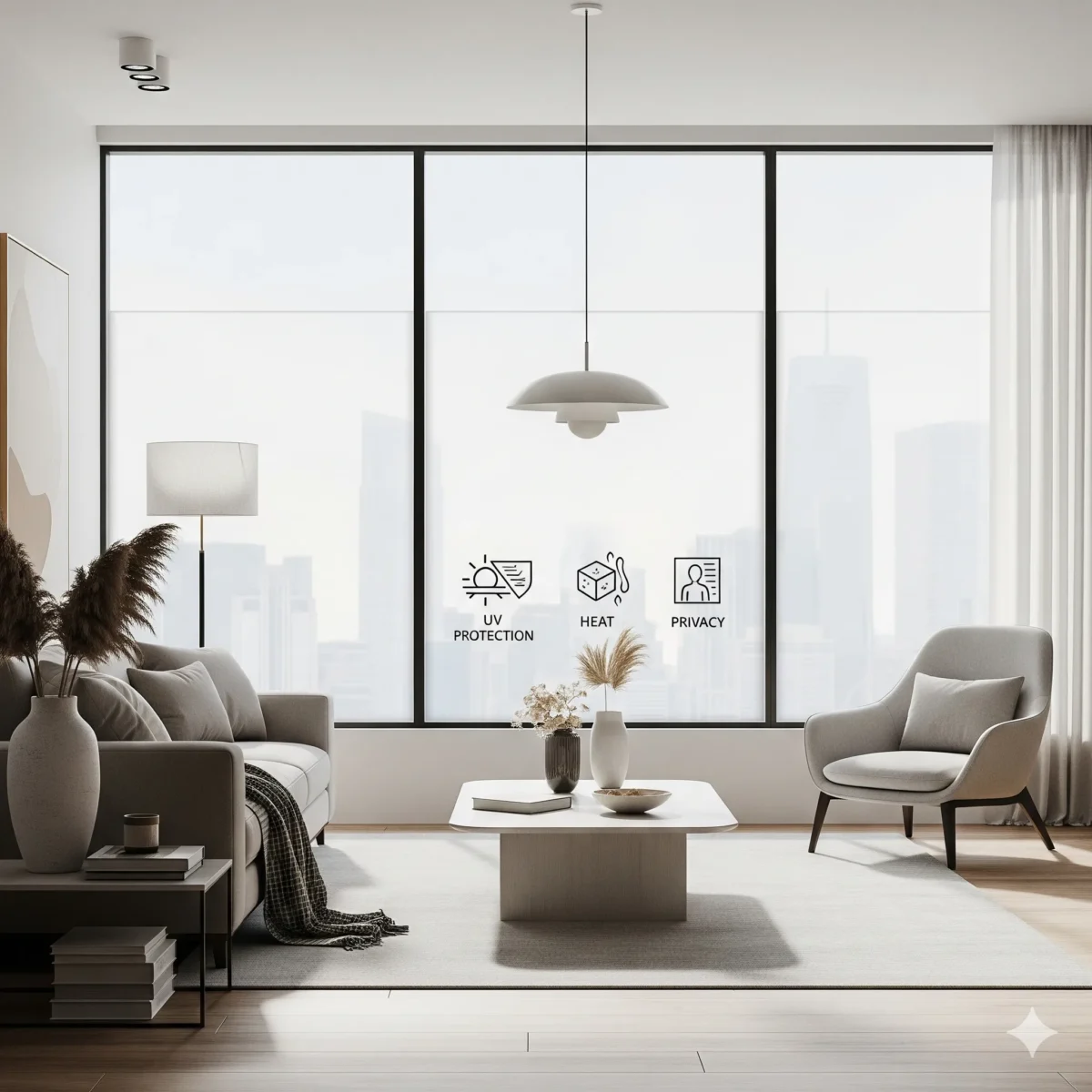
Designers know that beautiful interiors require protection. Sunlight, though desirable, carries UV rays that fade fabrics, leathers, wood flooring, and artwork. Window films block a significant percentage of these harmful rays, ensuring that carefully curated interiors maintain their vibrancy.
Additionally, films improve everyday living by:
- Reducing glare for a more comfortable indoor environment.
- Minimizing heat buildup, which supports energy efficiency and sustainability.
- Providing privacy while preserving elegance.
This balance of beauty and performance is one of the reasons films are increasingly specified in design projects.
Safety and Security with Discreet Design
An often-overlooked benefit of window films is the safety they provide. By reinforcing glass, films make windows more resistant to shattering—whether from accidents, harsh weather, or attempted break-ins. Unlike intrusive grills or security bars, films preserve architectural integrity while adding an invisible layer of protection.
For designers, this offers peace of mind to clients without compromising aesthetics.
Adaptable Across Architectural Styles
One of the hallmarks of a good design solution is adaptability. Window films suit a wide spectrum of homes, from traditional estates to cutting-edge smart residences. Their discreet application allows designers to meet functional needs—such as light control, privacy, and efficiency—without interrupting the design narrative of a space.
Key Takeaways
- Window films combine style, protection, and performance in a single solution.
- They safeguard interiors from UV damage while enhancing comfort.
- Films add privacy and security without diminishing design.
- Their versatility makes them suitable for any architectural style.
Conclusion
For designers, recommending window films is about more than practicality—it is about elevating the living experience. They allow natural light to enrich a home, protect investments in furnishings and art, and seamlessly enhance both contemporary and classic interiors. In essence, window films represent the stylish way to protect your home: a refined balance of elegance, comfort, and security that has earned the trust and admiration of design professionals worldwide.