
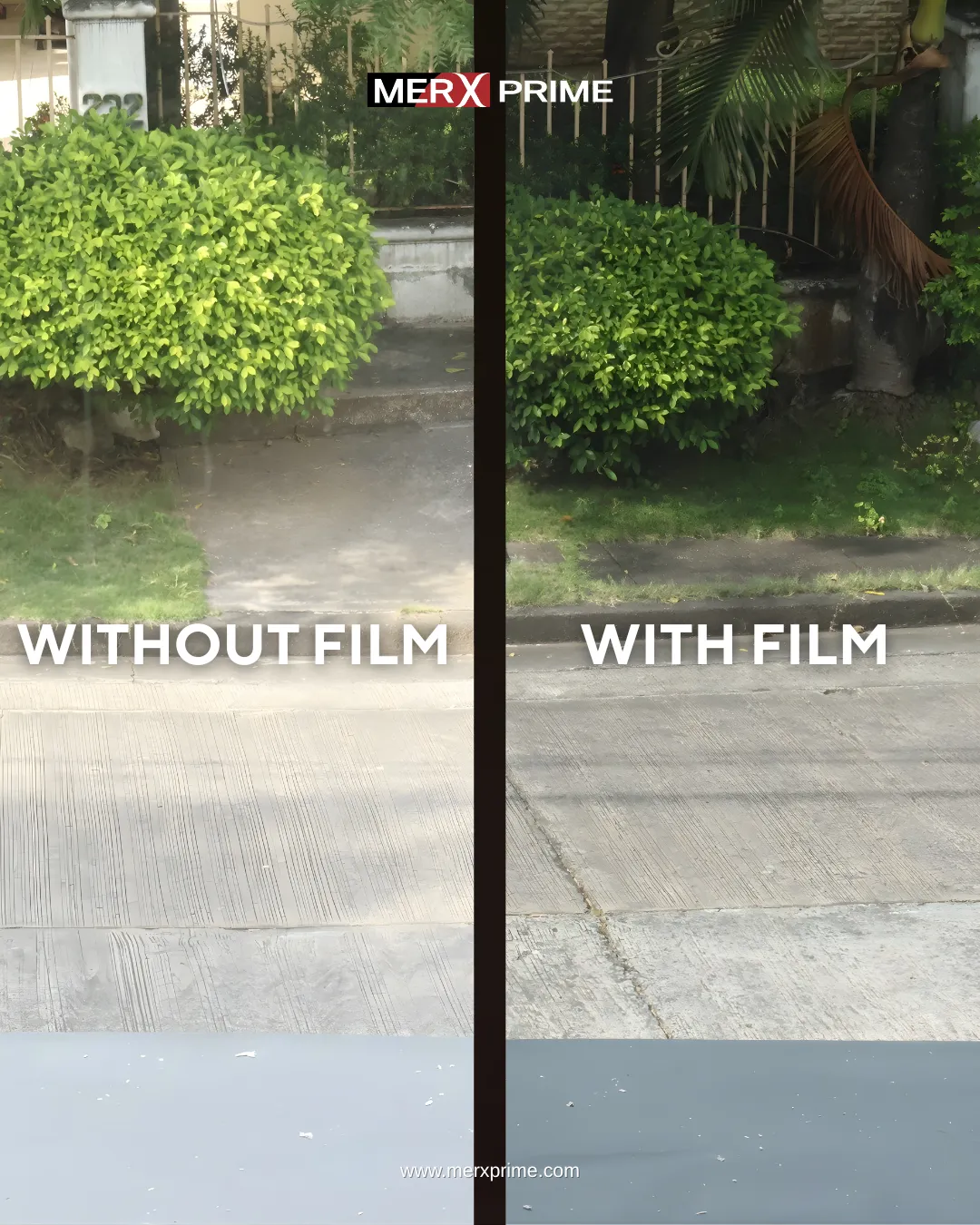
When people hear the words “window tint”, most think of dark car windows or fancy office towers with reflective glass. But the truth is, window film technology has evolved far beyond just looks. Whether for your car, home, or office, window tints offer real benefits that many still underestimate—or misunderstand.
Let’s bust some of the most common myths about automotive and architectural window tint, so you can separate fact from fiction.
Myth 1: Tint is Just for Style
Picture this:
You step into your car after leaving it parked under the midday sun. The seats feel like they’re on fire, the steering wheel is almost untouchable, and the air inside is thick with heat. For many, this daily struggle in the Philippines feels unavoidable. But here’s the twist—window tint isn’t just about making your car look sleek—it’s about transforming this exact experience.
🚫 The Misconception:
Many people think window tinting is nothing more than an accessory. They imagine it’s only for car owners who want a sleeker look or for skyscrapers that want a shiny, modern facade. Because of this, tinting is often dismissed as “cosmetic” rather than “functional.”
✅ The Truth:
While it’s true that window tint adds aesthetic appeal, the real value lies in protection and performance. Today’s advanced films—especially nano-ceramic and spectrally selective films—are engineered with technology that does far more than make glass look good.
Here’s what tint really does:
- Blocks Harmful UV Rays 🌞
Quality window films block up to 99% of ultraviolet radiation, which is one of the leading causes of skin cancer and premature aging. Think of tint as sunscreen for your skin and your interiors. - Prevents Fading & Damage 🛋️
Ever notice leather seats cracking, wood floors fading, or furniture discoloring near sunny windows? That’s UV and solar damage. Tint helps preserve cars, homes, and offices by shielding interiors from long-term wear and tear. - Reduces Heat & Improves Comfort ❄️
Especially in hot climates like the Philippines, tinting reduces solar heat gain, keeping your car cooler and lowering air-conditioning bills at home or in the office. This is not just about comfort—it’s about energy efficiency and cost savings. - Enhances Safety & Privacy 🔒
Tint also adds a subtle privacy layer, discouraging prying eyes and potential thieves. In cars, it keeps valuables less visible. In buildings, it provides discretion without sacrificing natural light (depending on the film type). - Eco-Friendly Benefits 🌍
Because tinted glass reduces the need for excessive cooling, it lowers energy consumption, helping reduce carbon footprint—a selling point for eco-conscious homeowners and businesses.
Myth 2: Darker Tint Means Better Protection
Imagine this:
You’re shopping for tint, and the salesperson shows you two options—one is pitch-black, the other is nearly clear. Instinctively, you think: “The darker one must be better, right?” After all, if you can barely see through it, it must block more heat and UV rays.
But here’s the catch—darkness doesn’t always equal performance.
🚫 The Misconception:
Many believe that the darker the tint, the more heat and UV rays it blocks. Some even think “light tints don’t work.”
✅ The Truth:
Tint performance depends on the technology of the film, not how dark it looks.
Here’s why:
Heat Rejection Isn’t about shade, modern nano-ceramic and spectrally selective films can block up to 98% of infrared heat—even if they’re almost transparent. Meanwhile, cheap dyed tints may look dark but barely block heat at all.
A premium, light-colored film can still block 99% of harmful UV rays, protecting your skin and interiors without making your windows look overly tinted.
In the Philippines and many other countries, very dark car tints can get you into trouble with the law because of visibility concerns. With advanced films, you can have a lighter shade that looks legal, feels comfortable, and still performs better than a cheap dark tint.
In buildings, going too dark can make rooms gloomy and over-reliant on artificial lighting. Premium lighter films allow natural sunlight to flow in, while still reducing heat and glare—giving you the best of both worlds.
Myth 3: Window Tint is Illegal Everywhere
You’re driving down the road when you notice a police checkpoint ahead. Suddenly, you feel nervous—“What if my tint gets me in trouble?” This fear is one of the biggest reasons some car owners hesitate to install window film. On the other hand, many homeowners don’t even consider tinting their windows because they assume there must be strict laws against it.
The truth? Tint is not illegal—it just depends on how you use it.
🚫 The Misconception:
Many people believe that all tints are banned, or that having tinted glass is automatically against the law.
✅ The Truth:
Tint regulations are specific, not absolute—and they vary depending on whether we’re talking about vehicles or buildings.
In the Philippines (and many other countries), the law focuses on Visible Light Transmission (VLT)—which means how much light passes through the glass of your car.
-
- Extremely dark films that make it impossible to see inside can be flagged as illegal for safety reasons.
- But modern nano-ceramic tints offer excellent heat and UV rejection without needing to be pitch-black, so you can stay cool, safe, and compliant at the same time.
- Choosing the right tint lets you enjoy performance and peace of mind at checkpoints.
Here’s the good news: there are no restrictions on tint for architectural use. You can apply heat-rejecting, glare-reducing, or privacy-enhancing films to your windows freely. In fact, many commercial buildings, malls, and even hospitals to promote safety, energy efficiency, and sustainability when applied properly.
Myth 4: Tint Weakens Glass
It’s late at night, and you hear the sound of shattering glass. A burglar has thrown a rock at your window, expecting it to break easily. Or picture this: your car is involved in a minor collision, and the windows take the hit. Most people imagine the glass shattering into dangerous shards, flying everywhere.
But here’s the truth—quality window tint can actually be the difference between a clean break and a dangerous mess.
🚫 The Misconception:
Some believe tint makes glass fragile, brittle, or easier to break.
✅ The Truth:
Tint doesn’t weaken glass—it strengthens it by acting as a protective layer.
Here’s why:
- 🛡️ Shatter Resistance in Cars
Automotive films are designed to hold broken glass together during accidents. Instead of sharp shards flying into passengers, the tint acts like an invisible adhesive, keeping the pieces in place and reducing the risk of injuries. - 🔒 Extra Security at Home & Work
Security films—thicker versions of regular tints—are commonly used in banks, jewelry stores, and government buildings. They don’t make glass indestructible, but they do make it much harder to break through, delaying intruders and often discouraging them altogether. - 🌪️ Protection Against Accidents & Natural Disasters
In homes and offices, tinted glass can prevent injuries during storms, earthquakes, or even everyday accidents (like kids accidentally hitting a window with a ball). The film holds the glass together, buying precious time and safety.
Myth 5: All Window Tints Are the Same
You walk into a car accessories shop or a home improvement store, and the salesperson says, “All tints are the same—just pick a shade.” Tempting, right? After all, if they all look alike, why spend more?
But here’s the truth—not all window tints are created equal.
🚫 The Misconception:
Many people assume tint is just a sheet of film, so the cheaper the better.
✅ The Truth:
Like most products, you get what you pay for. The difference between cheap dyed films and premium nano-ceramic or spectrally selective films is night and day.
Here’s the breakdown:
- 🕑 Longevity Matters
- Cheap Tint: Fades, bubbles, and turns purple after just a year or two, forcing you to spend more on replacements.
- Premium Tint: Maintains its color, clarity, and performance for years, often backed by long warranties.
- 🌞 Heat & UV Protection
- Cheap Tint: Looks dark but often blocks very little heat and UV radiation.
- Premium Tint: Even clear or light shades can block up to 99% of UV rays and a huge percentage of infrared heat—keeping you cooler and protected.
- 🏠 Clarity & Aesthetics
- Cheap Tint: Can distort visibility, especially at night, and make windows look streaky or patchy.
- Premium Tint: Offers crystal-clear views, glare reduction, and a polished finish that enhances both vehicles and buildings.
- 🔒 Safety & Security
- Cheap Tint: Thin and fragile, offering little to no reinforcement.
- Premium Tint: Stronger adhesive layers that help hold glass together during accidents, storms, or break-in attempts.
💡 So here’s the takeaway: Don’t just buy tint—invest in tint. Premium films don’t just look better; they last longer, protect more, and actually save you money in the long run by avoiding frequent replacements and reducing energy costs.
Window tint has come a long way from being “just a dark film.” Today, it’s a powerful tool for protection, comfort, safety, and efficiency—whether you’re driving under the blazing sun or trying to keep your home cooler and safer.
The myths around tint often stop people from experiencing its true value. But once you look past the misconceptions, you’ll see that window film is not just an upgrade—it’s a smart investment in your lifestyle, your health, and your peace of mind.
So the next time you think about tinting your car, home, or office, remember:
- It’s not just about looking cool.
- It’s about feeling safer.
- It’s about saving energy.
- And it’s about protecting what matters most.
✨ In the end, window tint isn’t just about glass—it’s about upgrading the way you live every day.
🚀 Ready to experience the difference?
At Merx Prime, we provide premium automotive, residential, and commercial window films designed to protect, secure, perform, and last.
📞 Contact us today to find the perfect tint for your needs—because comfort, safety, and style should never be a compromise.